The word is right there
You know what you want to say, but the name or word disappears at the exact moment you need it.
If names, appointments, recent conversations or the reason you walked into a room feel harder to hold onto—especially during stressful or sleep-deprived weeks—this comparison helps you choose a formula based on what it actually offers, not the loudest promise.
Already tried coffee, vitamins or another nootropic? Start with the “why previous attempts disappoint” section below.
https://7pok9lg5ngiazvxz.public.blob.vercel-storage.com/campaigns/cmqzooawc000509j56hsyujpx/custom_html_asset-1784059574517-img-2-bottles-0WTroA6uRoiNqwK8L4tIPhMMpB4hIS.webp
Our niche research repeatedly surfaced the same pattern: people are not simply shopping for a “brain booster.” They want to feel reliable, present and mentally capable again—without depending on another aggressive stimulant.
You know what you want to say, but the name or word disappears at the exact moment you need it.
You reread a page, replay a conversation or check the same task twice because your attention keeps slipping.
Keys, appointments, passwords and small commitments create a steady stream of avoidable stress.
More alertness can feel useful, but jitters, crashes or poor sleep may leave the bigger problem untouched.
Even during periods of heavy stress or bad sleep, it is easy to assume every lapse means your memory is declining.
After generic vitamins or previous nootropics, the real question becomes: “Why would this formula be any different?”
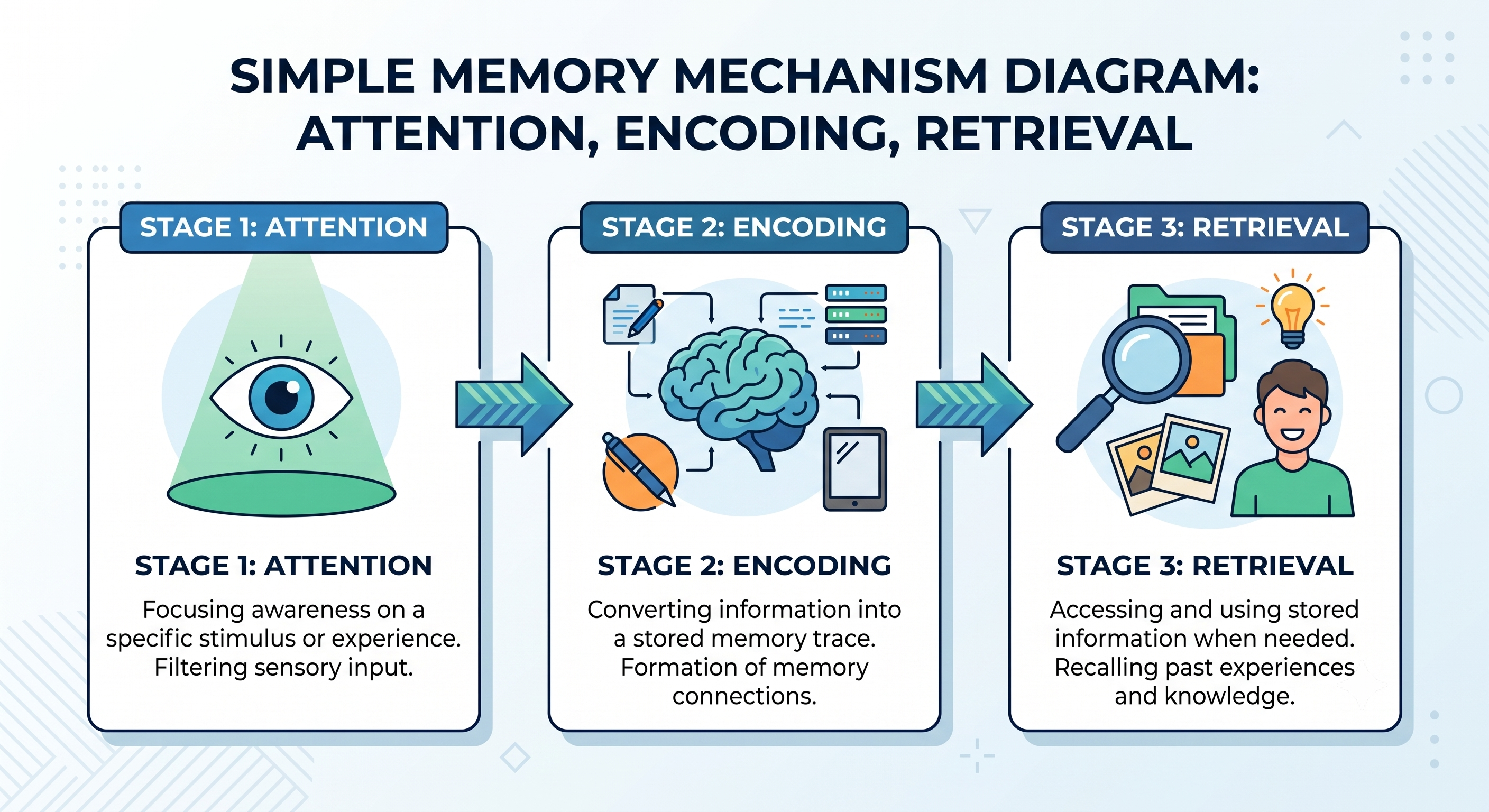
A practical memory decision begins before the supplement bottle. Attention, encoding and retrieval all have to work together. Stress, distraction and poor sleep can interfere with that chain, which is why pure stimulation is not always the answer.
The reframe: You may not be lazy, careless or “just getting old.” Your mental workload, sleep and stress level may be making normal recall feel harder. A supplement can support a routine, but it cannot diagnose or solve every cause.
https://7pok9lg5ngiazvxz.public.blob.vercel-storage.com/campaigns/cmqzooawc000509j56hsyujpx/custom_html_asset-1784059485618-Gemini_Generated_Image_3aui583aui583aui-aOzhkw79XayBgzXm9YygMd2Af8NBqo.png
The brain first has to register the information. Constant switching, notifications and fatigue make this step easier to miss.
New information needs enough focused processing—and adequate sleep—to become a memory you can use later.
Even stored information can feel unavailable when stress, pressure or distraction interrupts recall.
A failed attempt does not prove every cognitive formula is useless. It often means the product, expectation or routine did not match the actual problem.
Caffeine may change how awake you feel, but a wired feeling does not automatically improve encoding or recall.
Some products focus on one pathway. That may suit a specific buyer, but it is not the same as a broader memory-first formula.
A long ingredient list looks impressive until serving amounts, standardization or the complete label are difficult to find.
Be skeptical of guaranteed same-day transformation. Track tolerance and perceived changes consistently instead.
What is different about this comparison: We score formula relevance, public label clarity, memory-specific positioning, routine fit and offer protection. We do not award points for dramatic stories, fabricated experts or impossible promises.
At the comparison stage, the best product is not automatically the one with the biggest ingredient list. It is the one whose purpose, formula transparency, routine and risk protection best match what you actually want.
A memory-first shopper should not accidentally choose a product built mainly for stimulation, gut wellness or nerve comfort.
Check ingredient names, serving size, dosage visibility, standardization, allergens and whether the physical label matches the sales page.
A supplement may support normal cognitive function. It should not claim to cure dementia, reverse disease or replace medical evaluation.

https://7pok9lg5ngiazvxz.public.blob.vercel-storage.com/campaigns/cmqzooawc000509j56hsyujpx/custom_html_asset-1784059674387-giphy-uUKURUlup6bUMTEk3iymFaiVsnCHJG.gif
“Memory supplement pages often blend real ingredient information with oversized promises. Our goal is simpler: show the differences a mid-funnel shopper actually needs to understand before clicking through to an offer.”
The niche study shows that conversion is less about shouting “stronger memory” and more about resolving uncertainty.
Our ratings are internal editorial scores built around the questions real buyers raised in the niche study—not customer-star averages and not clinical efficacy grades.
These six markers help show how differently the products are positioned. Presence alone does not prove effectiveness; dose, standardization, interactions and finished-product evidence still matter.
A traditional botanical frequently used in memory and learning-support formulas. Standardization and dose should be checked on the label.
A widely recognized botanical used in cognitive and circulation-support products. It may interact with certain medications.
A phospholipid found in cell membranes and commonly included in products positioned for memory, attention and healthy brain aging.
A choline-containing compound used in formulas designed to support acetylcholine availability and normal cognitive performance.
A potent botanical-derived compound. Consumers taking medications should discuss suitability with a qualified healthcare professional.
An amino acid included in some multi-pathway formulas. Its presence is used here as a label differentiator, not a stand-alone proof of memory benefit.
The comparison below reflects ingredients publicly associated with the products during our review. Verify the physical bottle label before use.
MemoGenesis takes the top position for shoppers seeking the broadest memory-first option in this lineup. The remaining products may still make sense when simplicity, gut-brain support, nerve wellness or a different formula philosophy matters more.
https://7pok9lg5ngiazvxz.public.blob.vercel-storage.com/campaigns/cmqzooawc000509j56hsyujpx/custom_html_asset-1784059699705-img-2-bottles-dWKjaHD9obWI3n7o1BNspKTPOwAHsx.webp
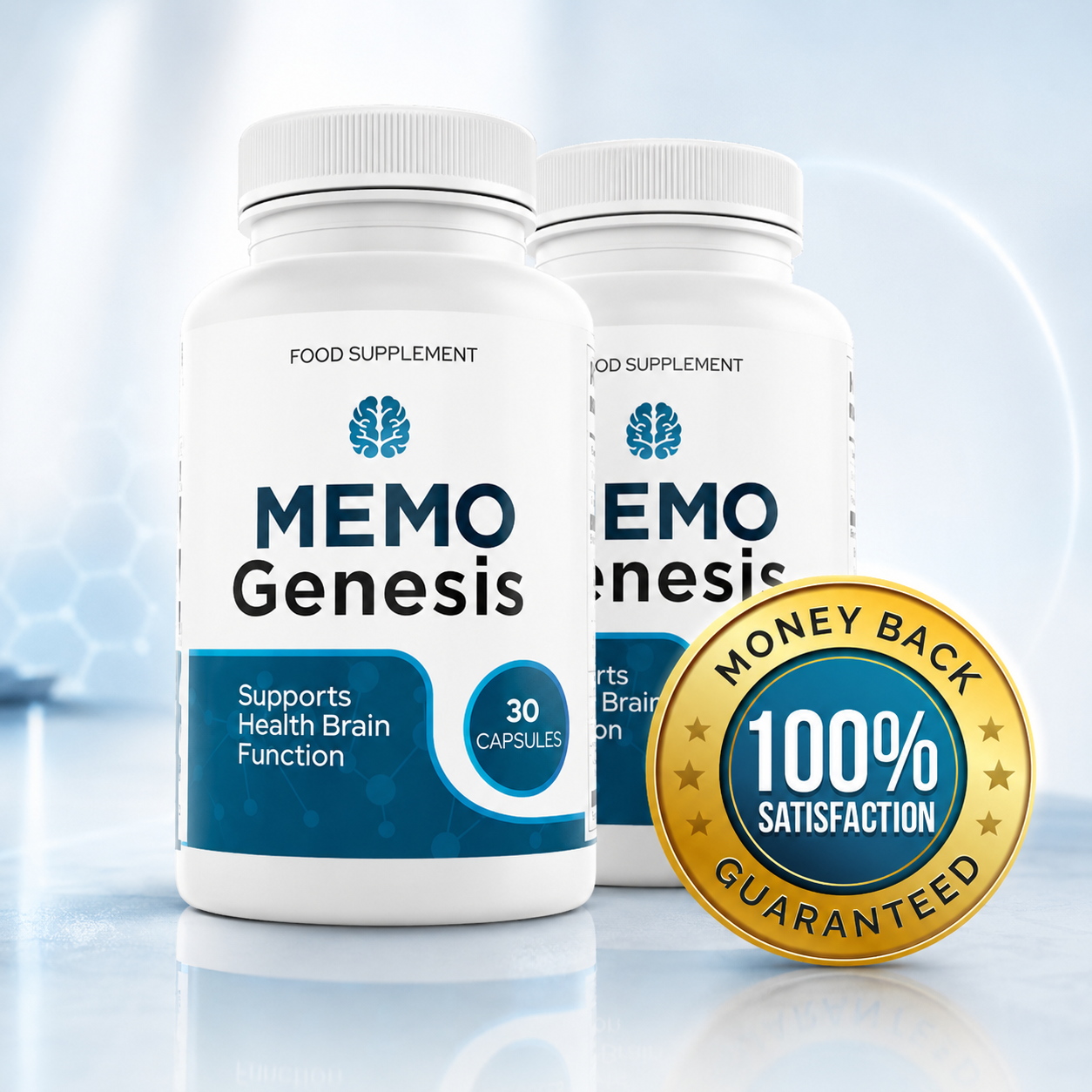
The bottom line: MemoGenesis earned our top position because its public product materials describe the broadest memory-first formula across our selected checkpoints. It is the strongest fit for shoppers who are not looking for another basic one-ingredient or energy-first product and want a more comprehensive daily cognitive-support approach.
https://7pok9lg5ngiazvxz.public.blob.vercel-storage.com/campaigns/cmqzooawc000509j56hsyujpx/custom_html_asset-1784059706029-MMP-2-BOTTLES-ZO3yEdJQR5m1cdMRCWldMr54zoLSHd.png
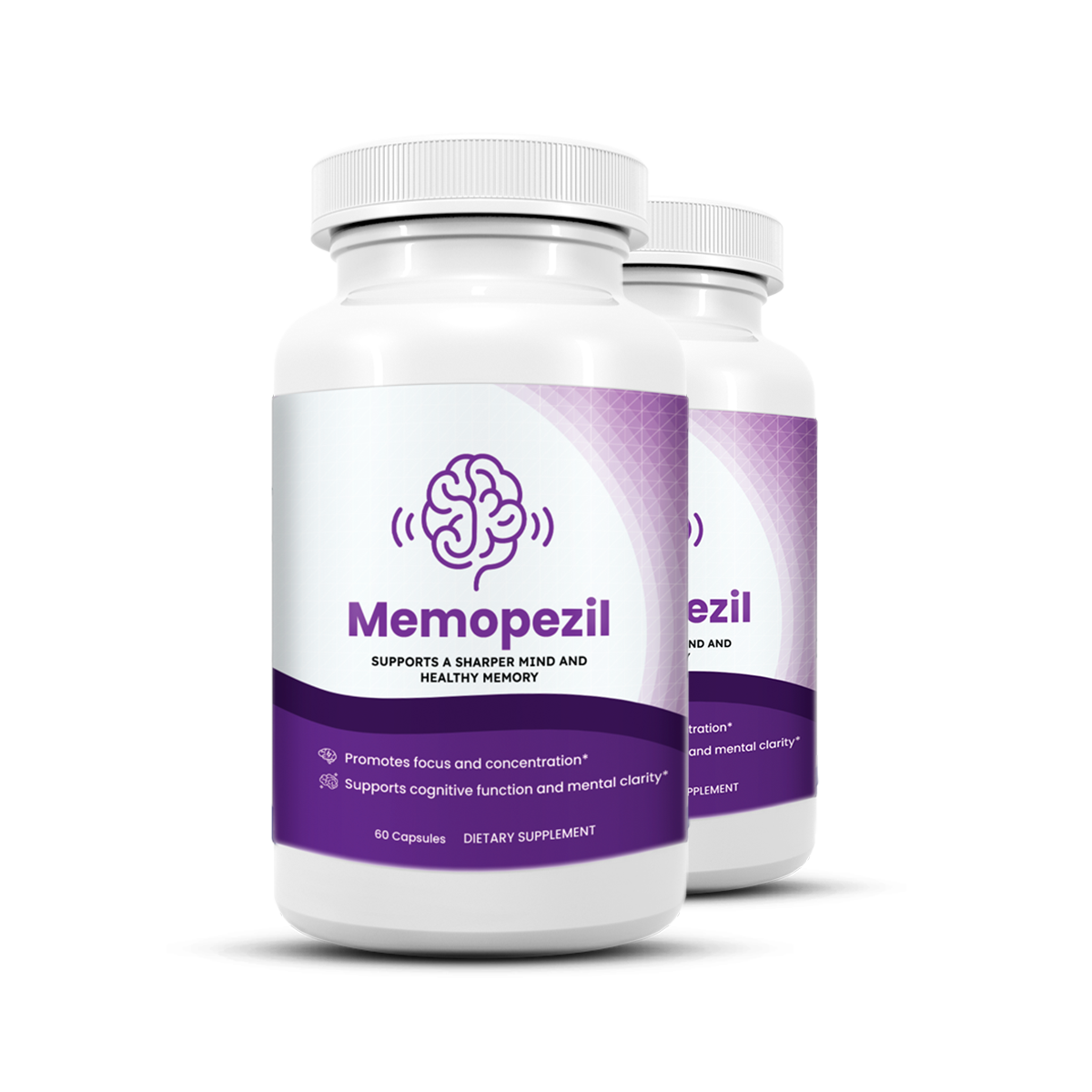
The bottom line: Memopezil is the strongest runner-up for shoppers who want a shorter botanical story that is easier to understand. Public brand materials highlight Bacopa Monnieri, Rhodiola Rosea, L-Theanine, Panax Ginseng and a honey-based concept. It feels simpler and less intimidating, but it does not match MemoGenesis across as many of our selected formula checkpoints.
https://7pok9lg5ngiazvxz.public.blob.vercel-storage.com/campaigns/cmqzooawc000509j56hsyujpx/custom_html_asset-1784059713214-prod_1_bottle-Vt2RWkDJdUHUG4GOJ3DJtDgOhtqTlH.png
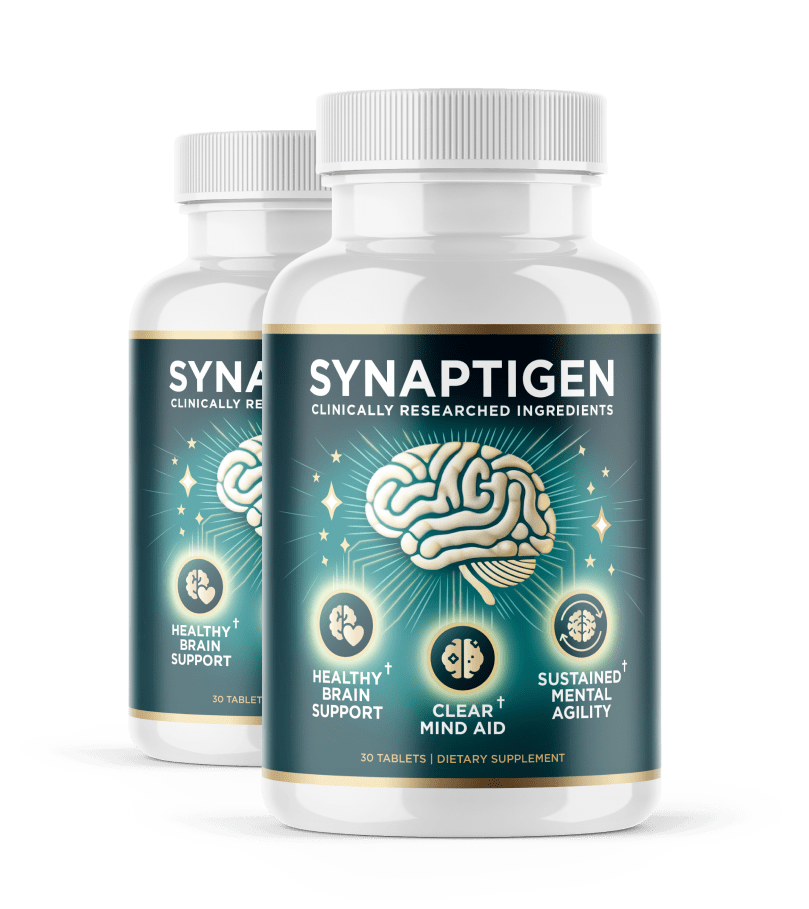
The bottom line: Synaptigen uses a different decision mechanism. Its public positioning emphasizes inulin and probiotic strains, making it more relevant to shoppers who connect mental fog with digestive or gut-brain wellness. That specialization is distinctive, but it is less directly aligned with the classic memory-support ingredients used to score our #1 choice.
https://7pok9lg5ngiazvxz.public.blob.vercel-storage.com/campaigns/cmqzooawc000509j56hsyujpx/custom_html_asset-1784059718374-2-frascos-1-1-JAFkW74flixNalipKdTmNsV3A4f7F2.png
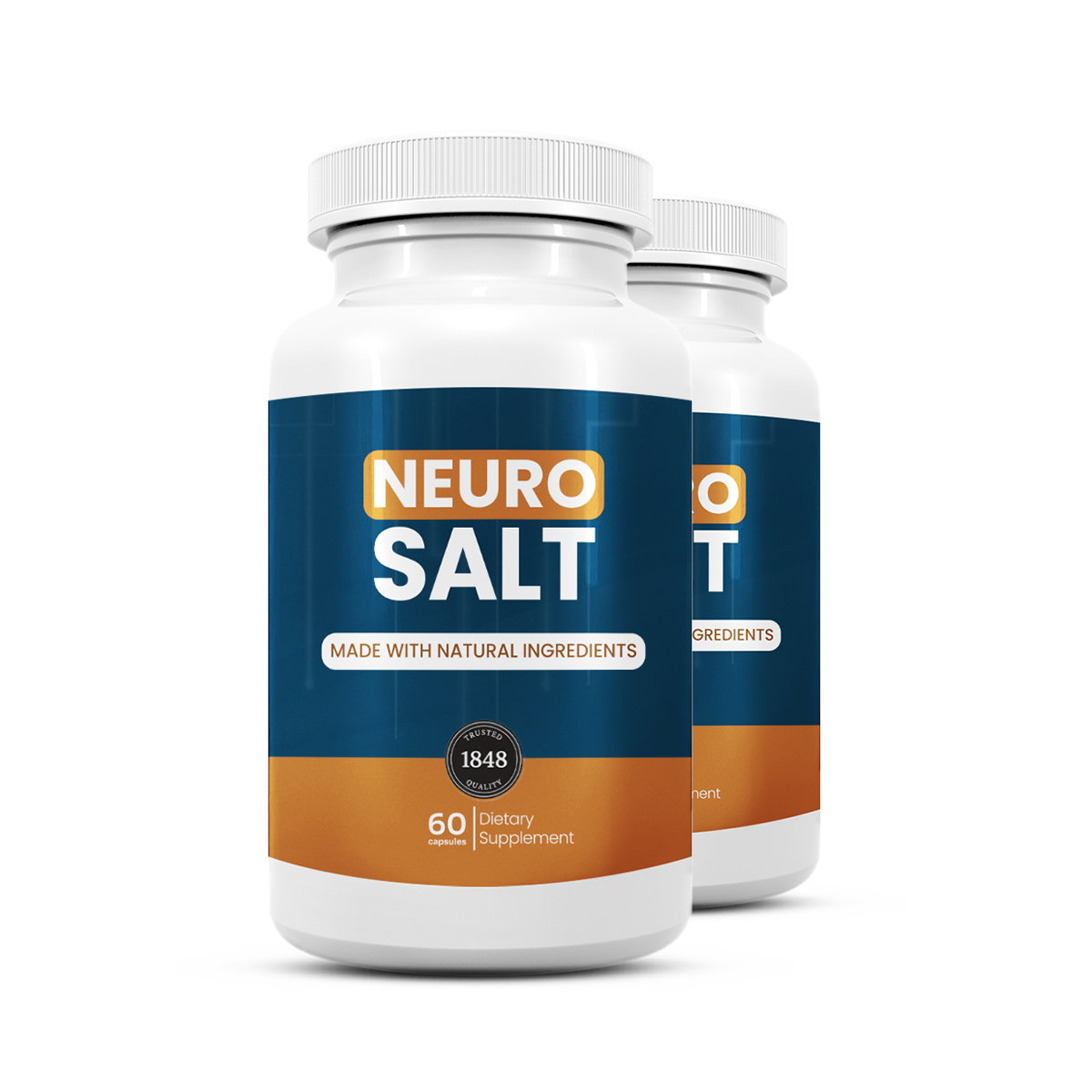
The bottom line: Neuro Salt is not primarily a memory-first formula. Its public offer emphasizes nerve wellness and a botanical blend associated with passionflower, marshmallow root, corydalis, prickly pear and California poppy. It may fit a different wellness priority, but it is not the closest match for shoppers whose main goal is everyday recall and focus.
https://7pok9lg5ngiazvxz.public.blob.vercel-storage.com/campaigns/cmqzooawc000509j56hsyujpx/custom_html_asset-1784059724686-neurofortis_3_thumb-Z78p1tlkTTVbsPk4R4WNzuXptqvLN9.png
The bottom line: Neuro Fortis Pro is publicly positioned for memory, focus and mental sharpness, with broad cognitive ingredient descriptions across public materials. Its lower position is mainly a transparency decision: shoppers should be able to verify the current serving-level Supplement Facts clearly before treating a large formula as an advantage.
Use this table to eliminate poor fits quickly. A checkmark means the ingredient or feature was identified in public materials reviewed; it does not guarantee results or replace label verification.
| Comparison checkpoint |
MemoGenesis
#1 Choice |
Memopezil | Synaptigen | Neuro Salt | Neuro Fortis Pro |
|---|---|---|---|---|---|
| Bacopa Monnieri | ✓ | ✓ | — | — | ✓ |
| Ginkgo Biloba | ✓ | — | — | — | ✓ |
| Phosphatidylserine | ✓ | Check label | — | — | ✓ |
| Alpha-GPC | ✓ | — | — | — | ✓ |
| Huperzine A | ✓ | — | — | — | ✓ |
| L-Glutamine | ✓ | — | — | — | Not publicly confirmed |
| Memory-first positioning | ✓ | ✓ | Gut-brain | Nerve focus | ✓ |
| Seller-disclosed 60-day guarantee | ✓ | Verify | Verify | ✓ | ✓ |
The ranking answers “best overall.” This guide answers the more personal question: “best for what?”
Choose this if you want a broad memory-first formula and do not want another narrow or energy-only approach.
Choose this if a shorter botanical lineup feels easier to understand and evaluate.
Choose this if gut-brain support is more important to you than a traditional nootropic stack.
Choose this only when the product’s nerve-wellness positioning matches your actual priority.
Choose this if you are comfortable verifying a broad formula and every current dosage before ordering.
https://7pok9lg5ngiazvxz.public.blob.vercel-storage.com/campaigns/cmqzooawc000509j56hsyujpx/custom_html_asset-1784060916010-ChatGPT_Image_14_de_jul._de_2026__20_28_26-KKH4wBho6zKBq9EtVZCx8SZ2VwFHnp.png
The niche research made the winning criteria clear: shoppers want a believable reason to try again, a formula that feels meaningfully different from coffee or a basic vitamin, and enough purchase protection to reduce fear of another letdown. MemoGenesis best combines those three elements in this lineup.
Prices, package sizes and availability are controlled by the seller and may change.
These are the doubts that appeared most often in the niche research. Good MOFU copy should answer them before asking for the sale.
Do not repeat the same experiment with a different label. Compare the actual mechanism, ingredient coverage and dosage transparency, then change one variable at a time so you can evaluate it.
Look for stimulant-free positioning and verify the complete label. “Natural” does not automatically mean interaction-free, but it is reasonable to avoid formulas built mainly around aggressive stimulation.
Then stress and sleep deserve attention. A supplement should complement the foundations—sleep, nutrition, activity and medical care—not become an excuse to ignore them.
Use the official checkout, read the exact guarantee, note the deadline and return requirements, and save your receipt. A visible guarantee reduces financial risk; it does not guarantee a biological result.
Dietary supplements are not approved by the FDA in the same way prescription drugs are. Structure/function claims must be truthful and supported, and qualifying supplement claims carry the standard FDA disclaimer.
No. Formula relevance, dose, standardization, interactions, manufacturing quality and transparency all matter. This page uses ingredient presence as one comparison tool—not as proof of effectiveness.
There is no universal timeline, and outcomes vary. Be skeptical of “instant,” guaranteed or permanent-result claims. Follow the label and discuss ongoing memory concerns with a healthcare professional.
It competes for the broader “neuro” wellness shopper and was specifically selected for this comparison. Its inclusion helps show the difference between a nerve-wellness product and a memory-focused nootropic formula.
Potential interactions are possible, especially with ingredients that influence neurotransmitters, sedation, blood clotting or medication metabolism. Ask a qualified healthcare professional before combining supplements with medication.
Use the official seller links, inspect the checkout details, and keep your receipt and guarantee terms. Marketplace products may differ in formula, seller authorization or return eligibility.
No. Occasional lapses can happen, and stress, poor sleep, medications and other factors can affect memory. However, memory changes that worsen, disrupt daily life or create safety concerns should be evaluated by a healthcare professional.
Start by reviewing sleep, workload, hydration, nutrition and medication factors. If you still choose a supplement, favor a formula whose positioning matches calm focus and memory support rather than simply adding more stimulation.
Because individual responses vary and finished-product outcomes depend on dosage, formulation, health status and routine. Instant or guaranteed timelines are a marketing red flag.
Seek professional evaluation when memory changes are sudden, progressively worsening, accompanied by confusion or personality changes, or interfering with finances, medication use, driving, work or other everyday activities.
MemoGenesis ranked first because it best matched the research-driven buying criteria: broad memory-first positioning, a meaningful contrast with simpler alternatives and a seller-disclosed satisfaction window.